What is a Stroopwafel? A Complete Guide to the Dutch Caramel Waffle Cookie
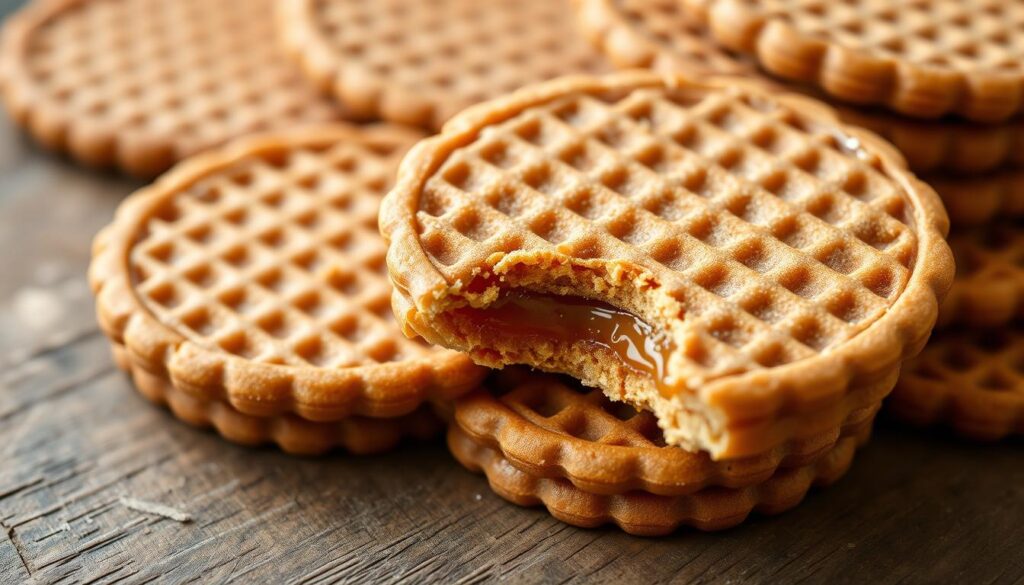
A stroopwafel, in plain terms: two thin waffle layers, one warm caramel filling pressed in between. That's it. That's the whole cookie, stripped down to basics.
But there's a lot more going on here than a dictionary entry — texture, history, how you're supposed to eat it (yes, there's a "right" way), and where to actually buy one without booking a flight to Amsterdam.
Let's get into it.
What is a Stroopwafel, Exactly? (Quick Definition)
If you’ve never had a stroopwafel before, you may be wondering ‘What is a Stroopwafel?’ or ‘How is a waffle from a Dutch Stroopwafel cookie maker different than a waffle from a classic waffle iron with or without removable grids?
Picture two crisp waffle discs, thin as a coaster, with sticky caramel syrup holding them together. Not a waffle in the American sense. No fluffy pockets, no syrup poured on top. It's flatter. Crisper. Honestly, closer to a cookie than anything you'd call a waffle back home.
The name breaks down simply once you know Dutch:
- Stroop = syrup
- Wafel = waffle
Put them together and you get, well, syrup waffle. Not exactly poetic, but accurate.
A few quick facts to anchor you:
- Typical diameter runs 8–10 cm for full-size, smaller for minis
- The edges are crisp and slightly chewy
- The center stays soft and sticky — that's the caramel doing its job
- Best eaten slightly warm (more on that later)
Here's the thing — people mix these up with regular waffles all the time. They're not the same animal. Not even close.
Stroopwafel Pronunciation and Etymology
Say it with me: strohp-vah-fel. The Dutch "w" sounds more like an English "v," which trips up a lot of first-timers.
The word ‘Stroopwafel‘ comes straight from 18th-century Dutch bakery slang — literally describing what it is, syrup between waffle. No hidden meaning, no clever backstory to the name itself. The backstory is in how it was invented, though. And that's actually interesting.
The History of the Stroopwafel: Where This Cookie Actually Came From
Gouda. That's where this starts. Sometime in the late 1700s, maybe early 1800s — nobody's got an exact date carved in stone — bakers there were trying not to waste scraps. And somehow that thrifty little habit turned into one of the most beloved snacks in Dutch history. Funny how that works.
Origins in Gouda, Netherlands

The story goes like this: a baker in Gouda had leftover breadcrumbs, cookie bits, stale odds and ends lying around. Instead of pitching them, he mixed them with syrup. Waste not, want not. And it worked — better than he probably expected.
Word spread. Locals loved it. Gouda still claims bragging rights as the birthplace, and honestly, nobody's seriously disputing that.
By the mid-1800s? Dozens of small bakeries in Gouda were cranking these out daily. Fresh off the iron, sold right at the market. Go to Gouda today and you'll still catch vendors making them the old-fashioned way at the weekly cheese market. Same smell, probably the same recipe in some stalls. It's a whole scene, and worth seeing in person if you ever get the chance.
How the Stroopwafel Became a Global Snack
For decades, this stayed strictly regional. A Dutch thing. Local bakeries, local pride, nothing more.
Then things shifted. Dutch immigrants carried recipes overseas. Specialty import shops started stocking them. And then the real turning point — grocery chains and Amazon began selling them nationally across the U.S. Almost overnight, a scrappy regional treat turned into an office snack and a coffee-shop staple.
Now? Trader Joe's has them. Costco too, depending on the season. Farmers markets, specialty stores, and yeah — Amazon, in about a dozen different brands. Not bad at all for a cookie that started as a way to avoid tossing out crumbs.
What is a Stroopwafel Made Of? Breaking Down the Ingredients
Two components, that's the whole formula: a simple yeasted waffle batter, and a caramel syrup filling. Flour, butter, sugar, milk, eggs on one side. Butter, brown sugar, and cinnamon cooked down into syrup on the other. Nothing exotic — just done right.
The Waffle Layers
The batter itself isn't fancy:
- Flour
- Butter
- Brown sugar
- Yeast (this part surprises people — yes, it's a yeasted batter)
- Milk
- Eggs
It gets cooked in a special stroopwafel iron — flatter and thinner than a standard waffle iron, built specifically for this job. The result is a thin, round waffle with a light grid pattern.
The Caramel Syrup Filling
While the waffle's still hot, it gets sliced horizontally into two thinner rounds. That's a key technical detail — cutting a single waffle in half rather than baking two separate thin ones. Then the warm caramel syrup (butter, brown sugar, cinnamon combined and heated) gets spread on one half, and the other half presses down on top. The heat helps everything bond together.
Common Variations in Ingredients
Not every stroopwafel sticks to the classic formula anymore. You'll run into:
- Cinnamon shows up in most traditional versions, but plenty of brands skip it entirely
- Chocolate — dipped, drizzled, sometimes both — for people who want dessert, not just a snack
- Gluten-free flour swaps, aimed at folks avoiding wheat
- Vegan butter substitutes, for anyone skipping dairy
More variety than you'd guess, honestly, for something this old-school and simple on paper.
How is a Stroopwafel Made? The Traditional Process
Four steps, really. Bake it thin, slice it while hot, spread the caramel, press it shut. Sounds easy on paper — the timing's where it gets tricky.
- Bake the waffle. Thin batter goes onto a stroopwafel iron and cooks fast, just a minute or two.
- Slice it. While still hot and pliable, the waffle gets cut horizontally into two thin discs. Do this too late and the waffle's already too firm to slice cleanly.
- Apply the syrup. Warm caramel gets spread across one half.
- Press and seal. The second half goes on top, sealing everything while it's still warm enough to bond.
Artisanal bakers do this by hand, one at a time, at markets and small shops. Factory production scales the same basic process up with machines — but the fundamentals don't change. Heat, slice, fill, press. That's the whole game.
What Does a Stroopwafel Taste Like?
Buttery. Caramel up front. A whisper of cinnamon trailing behind. And texture-wise? Crisp on the outside, gooey right in the center — that push-pull is basically the entire appeal.
Bite into a cold one and you get crunch. Warm one up and the center turns almost molten — sticky, rich, borderline addictive. Some people describe it as a caramel cookie. Others say it's like a thin waffle cone got a caramel upgrade. Both work as comparisons, honestly.
Don't expect a strong cinnamon punch, though. It's there, quietly, just enough to balance the sweetness — not enough to steal the show.
How to Eat a Stroopwafel the Right Way
Set it on top of a hot mug. Coffee, tea, doesn't matter. Let it sit there a few minutes so the steam works its way into the caramel. That's the classic method, and it's not just tradition for tradition's sake — it genuinely changes the texture.
The Classic Method — Warming Over a Hot Drink
Here's what works:
- Place the stroopwafel directly over your mug, covering the opening
- Let it sit for 2–5 minutes
- The steam softens the caramel inside without making the waffle soggy
- Eat it warm, ideally while sipping the same drink
Why bother warming it up? Because a cold stroopwafel's fine — good, even — but a warmed one is a different experience. The caramel loosens up, turns almost molten. Worth the extra two minutes, every time.
Other Ways to Enjoy a Stroopwafel
Not near a hot drink? No problem.
- Straight from the package — perfectly acceptable, still tastes great
- Quick microwave zap (10–15 seconds) — careful, caramel gets hot fast
- Crumbled over ice cream or yogurt — turns it into a topping instead of a standalone snack
- S'mores-style — sandwich it with marshmallow for a dessert mashup
There's no wrong way here, really. The mug method's just the most traditional — and arguably the best.
Stroopwafel vs. Other Waffle Cookies: What Sets It Apart
What actually separates a stroopwafel from every other waffle cookie out there is the filling, the thinness, and that specific slice-then-fill build. Most waffle-style cookies skip the caramel layer entirely — it's not standard, it's the stroopwafel's whole identity.
Stroopwafel vs. Regular Waffles
| Feature | Stroopwafel | Regular Waffle |
|---|---|---|
| Thickness | Thin, flat | Thick, fluffy |
| Filling | Caramel syrup inside | None (usually) |
| Serving temp | Room temp or warmed over a drink | Hot, fresh off the iron |
| Eaten how | Snack, on-the-go | Breakfast plate, fork and knife |
Pretty different animals once you line them up side by side.
Stroopwafel vs. Waffle Cone or Pizzelle
Waffle cones are crisp and unfilled — built to hold ice cream, not stand alone as a snack. Pizzelles (the Italian cousin) are thin and crisp too, but they don't have that caramel center that defines a stroopwafel. Structurally similar in some ways. Flavor-wise? Not close.
Common Stroopwafel Flavors and Varieties
Beyond the classic caramel version, stroopwafels come in chocolate, honey, reduced-sugar, mini, and gluten-free or vegan varieties — giving buyers a fair amount of choice depending on dietary needs or flavor preference.
- Original caramel — the standard, what most people picture
- Chocolate-dipped or drizzled — sweeter, dessert-leaning
- Honey-filled — less common, worth trying if you can find it
- Reduced-sugar / "healthy" versions — built for keto or low-carb diets
- Mini stroopwafels — bite-size, good for portion control
- Gluten-free and vegan options — growing category, quality varies by brand
Best Store-Bought Stroopwafels You Can Buy on Amazon
Skip the plane ticket. A handful of brands sell genuinely solid stroopwafels right on Amazon — some shipped straight from Holland, others baked stateside, a few built for specific diets. Here's what's actually worth ordering.
Daelmans Original Caramel Stroopwafels (24 Count)
Daelmans has been making stroopwafels in Holland since 1904 — that's the pedigree talking, not marketing fluff. This is the brand most people think of first when someone says "stroopwafel."
Features:
- Individually wrapped for freshness and portability
- Kosher dairy certified
- No artificial flavors, colors, or preservatives
- Made in Holland using the original family recipe
Price: Multi-pack assortments (like the 2-pack, 16-count box) run around $14 on Amazon, translating to roughly $0.88 per cookie. Larger cases and single boxes vary — check current listings, since Amazon pricing shifts.
Pros:
- About as authentic as you'll get without visiting Gouda
- Individually wrapped, so they're office-friendly and travel-friendly
- Widely available and well-reviewed
Cons:
- Contains wheat, dairy, and soy — not allergy-friendly
- Shipping heat can soften the caramel more than you'd like; a few reviewers mention getting a slightly messy box in summer months
Best for: Anyone chasing the real deal, no substitutions, no compromises.
Daelmans Chocolate Caramel Stroopwafels (8-Count Tin)
Take the original formula, work a chocolate layer into the caramel, and package it in a tin nice enough to hand off as a gift. That's this one in a nutshell.
Features:
- Gift tin packaging
- Kosher dairy certified
- Made in Holland
Price: Roughly $10–$13 for the 8-count tin, depending on current promotions.
Pros:
- Great gift presentation
- Chocolate adds a richer, dessert-like flavor
- Small size makes it a low-commitment way to try a flavor variation
Cons:
- Pricier per cookie than the bulk options
- Smaller pack size if you're trying to stock up
Best for: Gift-giving, or chocolate lovers who want to upgrade the classic.
Wonderen Stroopwafels (8-Pack / Mini 12-Pack)
Marketed as a premium option, Wonderen leans into the "world's best" branding — bold claim, but the reviews back it up reasonably well.
Features:
- Kosher certified
- Original Dutch recipe
- Available in both mini and full-size formats
Price: Around $12–$18 depending on pack size and format.
Pros:
- Mini size is great for sampling or portion control
- Strong reputation for authenticity among Dutch snack enthusiasts
Cons:
- Smaller packs mean more frequent reordering if you go through them fast
Best for: First-timers who want a smaller commitment before buying in bulk.
Rip Van Wafels Dutch Caramel & Vanilla Stroopwafels (12 or 32 Count)
This one's built for a different crowd entirely. Rip Van positions itself as the "healthy" stroopwafel — lower sugar, lower calorie, keto-friendly.
Features:
- Non-GMO
- Low sugar (around 3g per serving)
- Keto-friendly formulation
- Mini format available in 32-count packs
Price: Roughly $15–$25 depending on pack size.
Pros:
- Fits keto and low-sugar diets without totally sacrificing the stroopwafel experience
- Good for office snack boxes or meal-prep style buying
Cons:
- Texture and flavor differ noticeably from traditional full-sugar versions — some purists aren't fans
- It skips a bit of the richness that makes the original feel like a treat, which some buyers won't mind and others will miss
Best for: Anyone managing sugar intake, whether that's keto, general health goals, or just cutting back.
3Bros Stroopwafels (10 Individually Wrapped)
Family-run, small-batch, and baked in Georgia rather than shipped over from Holland. Not imported — worth flagging if authenticity-by-origin matters to you.
Features:
- Soft-baked, real butter and brown sugar caramel
- Individually wrapped
- Small-batch production
Price: Around $12–$16 for a 10-count box.
Pros:
- Supports a small U.S. bakery
- Fresher feel, since it's not shipped internationally
- Individually wrapped for convenience
Cons:
- Not Dutch-made, which matters to some buyers chasing authenticity
- Smaller production scale can mean less consistent stock availability
Best for: Buyers who'd rather support a small U.S. business, or just want something a little fresher.
Dutch Waffle Company Classic Caramel Stroopwafels (32 Count)
Bulk-format, straightforward, no frills. This is the one you buy when you just need a lot of stroopwafels.
Features:
- Authentic Holland-style recipe
- Packaged in a 4×8-count configuration
Price: Roughly $25–$35 for the 32-count bulk pack.
Pros:
- Best value per cookie for larger households or offices
- Consistent, classic flavor profile
Cons:
- Bulk packaging (not individually wrapped) can go stale faster once opened
Best for: Bulk buyers, offices, events, anyone hosting a crowd.
Stroop Club Traditional Organic Stroopwafels (24 Count)
The only fully vegan, organic option on this list. A different category entirely if plant-based eating matters to you.
Features:
- Certified organic
- Vegan / plant-based ingredients
- Traditional caramel flavor profile
Price: Around $25–$30 for a 24-count pack.
Pros:
- Rare combination — organic and vegan, without dropping the traditional flavor profile shoppers actually want
Cons:
- Swapping in plant-based butter changes the mouthfeel a touch — a little less rich than the classic dairy-butter version, though most reviewers say it's close
Best for: Vegan or organic-focused buyers who don't want to settle for a watered-down version of the real thing.
Verweij 100% Butter Stroopwafels (20 Count)
No palm oil shortcuts here — this one runs on real butter, full stop. Packaging's frustration-free and a bit more eco-minded too.
Features:
- 100% butter recipe
- Frustration-free packaging
- Traditional Dutch preparation
Price: Roughly $20–$28 for a 20-count box.
Pros:
- The all-butter formula gives it a noticeably richer, more traditional flavor than palm-oil competitors
- Packaging choice will land well with sustainability-minded buyers
Cons:
- Costs more than the palm-oil-based alternatives on this list
- Shelf life runs shorter, since it skips the stabilizers that keep other brands fresh longer
Best for: Buyers who'll trade a shorter shelf life for better ingredients and a richer bite.
How to Choose the Right Store-Bought Stroopwafel for You
Picking the right stroopwafel really comes down to what you're prioritizing — authenticity, diet restrictions, bulk value, or gifting — since each brand on this list leans toward a different use case.
If You Want the Most Authentic Experience
Go with Daelmans Original or Verweij. Traditional recipes, Dutch-made, closest to what you'd get at a Gouda market stall.
If You're Watching Sugar or Following Keto
Rip Van Wafels is built exactly for this. Lower sugar, keto-compatible, non-GMO.
If You Follow a Vegan or Plant-Based Diet
Stroop Club is your one real option here that doesn't cut corners on the "organic" or "traditional" branding either.
If You're Buying in Bulk for an Office or Event
Dutch Waffle Company or the Daelmans 2-Pack Assortment — best cost-per-cookie, and both hold up fine for group settings.
If You're Buying as a Gift
Daelmans Chocolate Caramel Tin or Wonderen — presentation matters here, and both deliver on that front.
How to Store Stroopwafels and How Long They Last
Stroopwafels stay fresh longest when kept in an airtight container at room temperature, away from direct heat or humidity, and most packaged versions last several weeks to a few months unopened.
A few practical notes:
- Keep them in their original packaging or an airtight container once opened
- Avoid storing near heat sources — the caramel filling softens and can leak
- Unopened, individually wrapped versions tend to last the longest (weeks to months)
- Bulk or unwrapped versions go stale faster once the package is opened
Signs a stroopwafel's gone stale: the waffle layer turns soft instead of crisp, or the caramel filling hardens up and loses that gooey texture. At that point, it's still edible — just not the experience you're going for. Toss it in the microwave for a few seconds and it'll mostly bounce back, honestly.