Thick Or Thin? It Depends on Your Iron and What You're Actually Making
Short answer: thin batter for a classic, shallow waffle maker, thick batter for a deep-pocket Belgian one. That's it. That's the rule most people are searching for. But there's more nuance underneath that one-liner, and it's worth ninety seconds of your time before you pour anything into that iron.
Plate Depth Decides This Before You Even Touch an Ingredient
Look at your waffle maker. Actually look at it. That's step one, and most people skip it entirely.
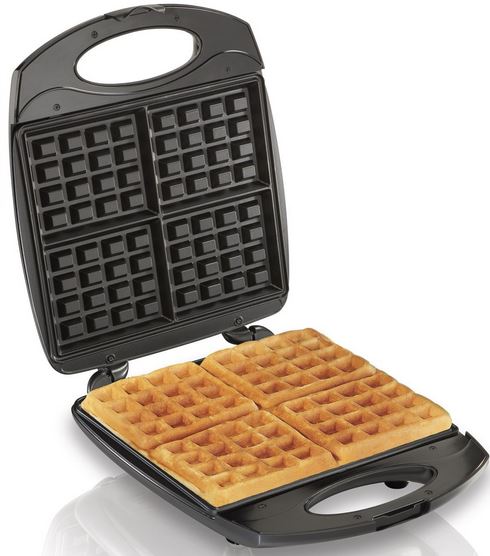
A shallow, classic-style iron wants thin batter — something that spreads on its own and fills the grid without you doing any work. Pour thick batter into one of these? It won't reach the edges before it sets. You'll get a lumpy, uneven waffle with dry patches. Not great.
Deep-pocket Belgian irons flip the script completely. They need batter thick enough to hold its shape and stay put in those pockets instead of running out before it firms up.
Recommended Product: Dash Mini Waffle Maker
Features
- Compact, lightweight, shallow classic-style nonstick plates
- Fast heat-up, even heating surface
- Indicator light tells you when it's go-time
- Nonstick surface, wipes clean
Price
$10–$20 on Amazon, give or take.
Pros
- Great for testing thin-batter recipes without buying a full-size machine
- Small enough for a dorm, a tiny kitchen, wherever
- Heats up fast, no standing around waiting
- Cheap way to experiment before committing to something bigger
Cons
- Shallow plates just aren't built for thick Belgian batter (don't try it)
- One small waffle at a time — slow if you're feeding a family
- Not the machine you want if fluffy and tall is the goal
Best Suited For
People who genuinely prefer thin, crisp, classic waffles — or anyone who wants a cheap testing ground before dropping money on a Belgian iron.
Thin Batter Is What Gets You Crispy, Lacy Edges
Want crispness? Batter needs to run thin. Think heavy cream, not pancake batter — that's the texture you're aiming for.
A thinner mix spreads everywhere in the iron, cooks fast, and gives you those golden, lacy edges everyone loves on classic American waffles. Here's the catch, though: there's a real difference between "thin and crisp" and "thin and soupy." That line is thinner than you'd think (pun intended), and it comes down to precisely how much liquid you're adding.
Recommended Product: OXO Good Grips 1-Cup Angled Measuring Cup
Features
- Angled interior lets you read measurements from above — no bending over
- Standard and metric markings
- Non-slip grip handle
- Dishwasher-safe Tritan plastic
Price
Around $8–$14.
Pros
- Precise liquid measuring kills the guesswork that leads to watery batter
- No more squinting at eye level to check the line
- Comfortable grip, controlled pouring, less mess
- Built to last — dishwasher safe, sturdy
Cons
- Only handles the liquid side of the equation. Dry ingredients are on you.
- Costs more than a basic glass measuring cup
- Takes a minute to get used to the angled reading style
Best Suited For
Anyone chasing crispy, thin-batter waffles who's tired of eyeballing the milk and getting inconsistent results.
Thick Batter Is What Gives You Deep, Fluffy Belgian Waffles
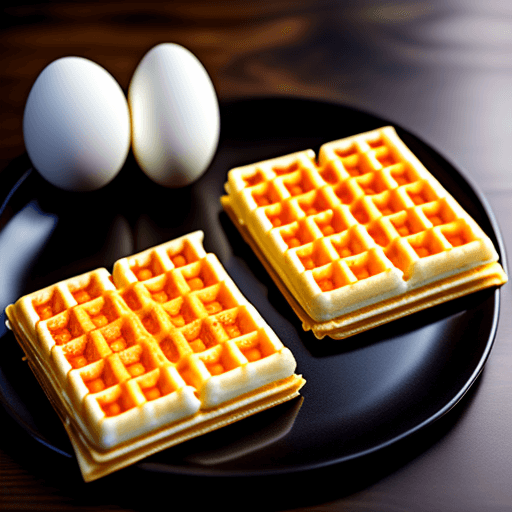
Flip side now. A thick batter — closer to scoopable muffin batter than something pourable — is what builds that tall, tender interior everyone associates with Belgian waffles. Thick batter holds its structure inside those deep pockets instead of thinning out and leaking through the grid before it sets.
This one's simple in theory. Harder in practice, because "thick" is relative to your specific recipe.
Recommended Product: King Arthur Unbleached All-Purpose Flour, 5 lb Bag
Features
- 11.7% protein content for real structure
- Unbleached, unbromated, Non-GMO Project Verified
- Milled from American red winter wheat
- Certified Kosher, no preservatives or bleach
Price
Roughly $6–$9.
Pros
- An extra spoonful or two thickens batter without a full recipe rewrite
- Higher protein than pastry or self-rising flour means a sturdier crumb
- Consistent milling, predictable results every time
- You'll use it for way more than just waffles
Cons
- Overdo the extra flour and you get dense instead of fluffy — easy mistake
- Takes some trial and error to nail the right ratio for your specific batter
- It's not a specialized "waffle flour." Just good, reliable all-purpose flour you adjust yourself.
Best Suited For
Belgian waffle fans who want that deep, structured crumb and don't mind fiddling with ratios to get there.
Liège-Style Waffles Skip Batter Entirely
Here's a curveball in this whole thick-versus-thin conversation: some waffles aren't batter at all. Liège waffles — the dense, chewy, caramelized Belgian style — use actual yeasted dough. Thicker than any pourable batter you'll ever make. Closer to brioche, honestly.
Chunks of pearl sugar get folded straight into that dough. Those pockets melt and caramelize against the hot iron, and that's where the magic happens.
Recommended Product: Lars' Own Belgian Pearl Sugar, 8 oz
Features
- Imported from Belgium, made from 100% beet sugar
- Large, heat-stable nibs that don't fully melt while baking
- Shelf-stable, resealable pouch
- The real, traditional ingredient for authentic Liège waffles
Price
Around $8–$14.
Pros
- Creates that signature caramelized crunch — nothing else replicates it
- A little goes a long way; one pouch covers several batches
- Shelf-stable, ready whenever the craving hits
- Works on muffins and quick breads too, not just waffles
Cons
- Only useful if you're actually making dough-based Liège waffles
- Harder to find at a regular grocery store — ordering online is usually easier
- Working with yeasted dough takes more time and skill than mixing a quick batter
Best Suited For
Bakers who want to skip the thick-versus-thin debate entirely and try something completely different.
The Ribbon Test Shows You the Real Answer, Every Time
Forget guessing. Lift a spoonful of batter and watch how it falls.
Thin batter pours in a steady stream. Thick batter falls in slow, heavy ribbons — briefly holding shape on the surface before settling back in. That's the tell. Every time.
Recommended Product: OXO Good Grips Stainless Steel Ladle
Features
- Polished stainless steel, built solid
- Dual-sided pour spouts (works for lefties and righties)
- Angled design, keeps liquid from sloshing
- Soft, non-slip grip, dishwasher safe
Price
Roughly $10–$18.
Pros
- Makes the ribbon test consistent, same result every time you check
- Dual spouts mean no awkward angling to dodge drips
- A genuinely useful kitchen tool beyond waffle mornings
- Comfortable to hold, even with batter on your hands
Cons
- Not strictly necessary — a big spoon does the job in a pinch
- Deep bowl holds more batter than you need for a quick check
- Shows batter residue more than plastic would
Best Suited For
Anyone who wants a repeatable, visual gut-check on batter thickness instead of guessing and hoping.
Yeasted Batters Start Thin — Then Thicken While You Sleep
This one trips people up constantly. Classic overnight Belgian batter starts out thin and pourable. Then the yeast works overnight, and it thickens on its own by morning.
That means judging thickness right after mixing? Misleading. The batter you pour at breakfast will be noticeably thicker and airier than the one you mixed the night before. Patience matters here — it's genuinely one of the only times "thin now, thick later" is exactly what you want.
Recommended Product: Red Star Platinum Superior Baking Yeast
Features
- Instant yeast with dough enhancers built right in
- No proofing in water needed — mixes straight into dry ingredients
- More forgiving, increased dough tolerance
- Consistent volume and rise, batch after batch
Price
Around $6–$9.
Pros
- Reliable overnight rise, predictable thickening by morning
- Built-in enhancers make it forgiving for beginners
- Skips the separate proofing step, saves time
- Works in traditional methods and bread machines alike
Cons
- Requires planning ahead. This is not a same-morning batter.
- Texture shifts overnight, so judging "doneness" takes some practice
- Useless for standard, non-yeasted quick batters
Best Suited For
Belgian waffle purists who don't mind a little advance planning in exchange for real depth of flavor.
A Thickener Fixes Batter That Turned Out Too Thin
Sometimes a batter just runs thinner than it should. Too much liquid, an oversized egg, whatever — it happens to everyone. A small amount of starch stirred into your dry ingredients firms things right back up. No need to start over.
Recommended Product: Bob's Red Mill Arrowroot Starch/Flour, 16 oz
Features
- From the arrowroot plant, smooth texture, neutral flavor
- Gluten-free, grain-free, Non-GMO Project Verified
- One-to-one substitute for cornstarch
- Lighter, fluffier result than some other thickeners
Price
Roughly $7–$9.
Pros
- Neutral flavor — won't fight with vanilla or cinnamon in your batter
- Solid option if you're avoiding corn for whatever reason
- A small amount noticeably firms up the batter's body
- Works as a general thickener for sauces and gravies too
Cons
- Too much and things get slightly gummy instead of light
- Not as easy to find on a regular grocery run as cornstarch
- Best treated as a fix for one batch, not a permanent swap
Best Suited For
Bakers whose batter keeps coming out thinner than expected and want a gluten-free way to correct it fast.
Overmixing Thins Your Batter Out — Even Without Extra Liquid
Here's the part almost nobody thinks about: how you mix matters just as much as what you mix.
Overworking batter develops gluten and knocks the air bubbles right out of it. The result? A batter that looks thinner and less structured, and you didn't even add a drop of liquid. Mix just until things come together — no more.
Recommended Product: OXO Good Grips Silicone Spatula
Features
- Rounded edge for scraping bowls, square edge for corners
- High heat-resistant, safe on nonstick cookware
- Soft, non-slip handle
- Flexible enough to fold in whipped egg whites without deflating them
Price
Around $8–$12.
Pros
- Gentle folding preserves the structure you're trying to build
- Scrapes bowls clean — nothing left behind
- Heat-resistant, useful for plenty of other cooking tasks
- Comfortable grip makes gentle folding way easier than a rigid spoon
Cons
- Technique matters more than the tool. A good spatula won't fix aggressive stirring habits.
- Not a specialized waffle tool, just a solid general spatula
- Can pick up minor staining from certain ingredients over time
Best Suited For
Anyone whose batter loses structure while mixing, especially recipes calling for folded-in egg whites or cream.
Weighing Ingredients Ends the Guesswork Completely
Measuring cups pack flour differently depending on who's holding them. Two people, same recipe, same cups — noticeably different batter thickness. It happens constantly.
A scale wipes that variability out entirely. Weigh your ingredients, and suddenly it's easy to replicate exactly what worked last time.
Recommended Product: Ozeri Pronto Digital Multifunction Kitchen and Food Scale
Features
- Variable Graduation Technology, 0.1g increments below 1000g
- Weighs up to 6000g (about 13.2 lbs)
- Instant unit conversion: oz, ml, g, lb, lb:oz, kg
- Runs on two AAA batteries, auto power-off
Price
Roughly $10–$16.
Pros
- Kills the inconsistency of scooping flour differently every time
- Fine measurements make it easy to replicate the exact thickness you're after
- Compact, stores easily in a drawer
- Recognized by several major kitchen publications for accuracy
Cons
- Switching from cups to weight takes some initial adjustment
- Small platform, might not comfortably fit a really large mixing bowl
- Battery-powered, so you'll need replacements eventually
Best Suited For
Precision-minded bakers who want the exact same batter thickness every single time — not just "close enough."