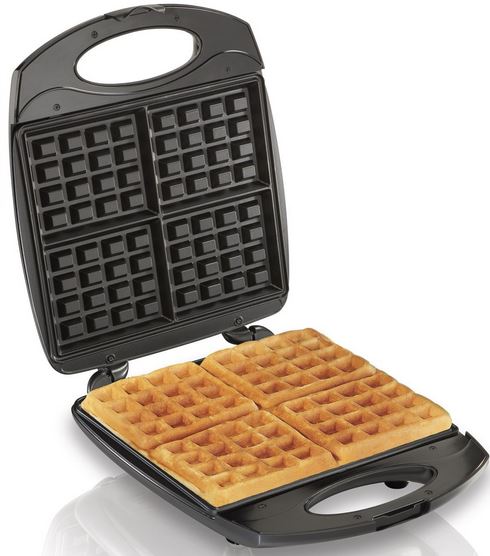
Baking Powder vs Baking Soda: The Quick Answer for Waffles
Most waffle recipes want baking powder. Period. It's a self-contained leavening system, so it works no matter what else is in your batter. Baking soda, on the other hand, needs help — it only activates when there's enough acid around to react with (think buttermilk, yogurt, that kind of thing). Skip that acid and soda just sits there, doing nothing useful, maybe even leaving a weird aftertaste behind.
Which one actually wins for your waffles? No single answer, sorry. Depends on the recipe sitting in front of you. And honestly, a ton of the really good waffle recipes don't even pick a side — they use both, working together. Why that combo works, I'll get to that shortly. First though: the actual science behind each one, what they do to texture and color, when to reach for which, and the mistakes that quietly tank a batch without you ever figuring out why.
What Is the Difference Between Baking Powder and Baking Soda?
Boil it down and here's the real distinction: baking soda's missing something it needs to work — an acid — while baking powder already packs one in.
What Baking Soda Actually Is
Pure sodium bicarbonate. Nothing else. It's a base, and bases need acid to react — mix it with something acidic (buttermilk, yogurt, brown sugar, vinegar) plus some liquid, and it kicks off a reaction immediately, releasing carbon dioxide. That CO2 is what makes your batter rise. No acid present? The soda just sits there. Inert. Not doing its one job.
What Baking Powder Actually Is
Baking powder's smarter, in a sense. It's baking soda already paired with a powdered acid — usually cream of tartar — plus a filler like cornstarch to keep everything dry and stable in the can. Because the acid's already built in, it doesn't need your batter to bring one to the table. It's self-sufficient. That's the whole appeal.
Single-Acting vs. Double-Acting Baking Powder
Here's a detail a lot of home bakers miss. Double-acting does its job in two waves. First reaction happens the moment it hits liquid. Second one waits — kicks in once heat shows up. That matters for waffles specifically, since batter usually sits around a bit before it ever touches the iron. Miss that window with single-acting powder and you've lost some lift before cooking even starts. Double-acting doesn't have that problem. It saves a punch of rise for exactly when the batter needs it — right there on the hot plate.
Baking Powder vs Baking Soda: How Each One Affects Waffle Texture
There's more at stake than just height here. Color, crumb, mouthfeel — both ingredients quietly shape all of it, not only how much your waffle puffs up.
How Baking Soda Affects Waffle Texture and Browning
Soda's alkaline, and alkaline batters brown faster and deeper — it's a Maillard reaction thing. Ever notice how buttermilk waffles get that gorgeous golden-brown color almost effortlessly? That's soda doing its thing. Downside — if the acid-to-soda ratio's off, you can end up with a slightly coarser, more open crumb than you wanted.
How Baking Powder Affects Waffle Texture and Rise
Baking powder gives you a lighter, more even rise across the whole waffle, since it's not dependent on random acidic ingredients showing up in the right amount. Flavor stays pretty neutral too — doesn't compete with vanilla, doesn't fight with the buttermilk tang if you've got some in there. Just does its job quietly.
Why Many Waffle Recipes Use Both Together
Soda's job is browning — plus mopping up whatever acid's floating around in the batter, buttermilk or yogurt or otherwise. Powder's job is backup. It makes sure you still get a solid rise even if the batter's acid levels are a little off, a little unpredictable. Think of it less like teamwork and more like insurance — one ingredient quietly covering the gap the other one leaves.
Baking Powder vs Baking Soda: Which Should You Use Based on Your Recipe?
There's no universal rule here — what's already sitting in your batter decides this for you, every single time.
When to Use Baking Powder for Waffles
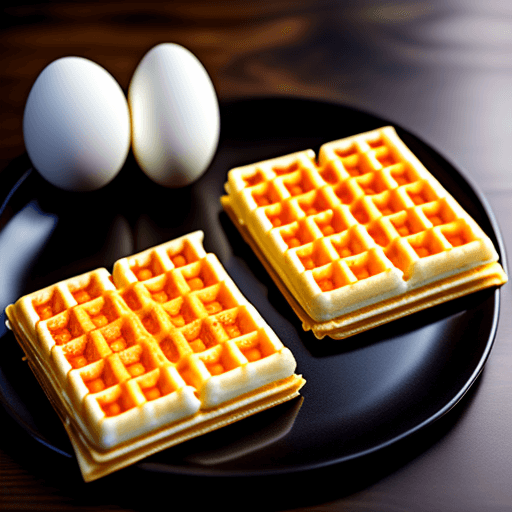
Making a classic waffle with plain milk? No buttermilk, no yogurt, nothing acidic? Baking powder's your only real option here — there's nothing in the batter for soda to react with. You'll get a clean, neutral flavor and an even rise. Simple as that.
When to Use Baking Soda for Waffles
Got buttermilk in the recipe already? Sour cream? A splash of vinegar? Soda's going to shine here — it'll react with all that acid, give you deeper browning, and balance out some of the tang. This is where soda actually earns its spot in the pantry.
When to Use a Combination of Both
Most Belgian and diner-style waffle recipes land right here — batters with some acidic ingredients, but maybe not quite enough to fully activate soda on its own. That's when you bring in both: soda handles what acid's available, powder covers the rest. Not complicated once you see the pattern.
| Recipe Type | Best Leavening Choice | Why |
|---|---|---|
| Plain milk waffles | Baking powder only | No acid in the batter for soda to react with |
| Buttermilk waffles | Baking soda (or both) | Acid's already there, soda reacts and browns nicely |
| Yogurt-based waffles | Baking soda + powder | Some acid, but not always enough alone |
| Vegan/dairy-free waffles | Depends on the acid source | Check what's replacing the buttermilk or yogurt |
Common Substitution Mistakes Between Baking Powder and Baking Soda
Swapping one for the other isn't always a 1:1 move. Get this wrong and you'll taste it.
Using Baking Soda Without Enough Acid in the Batter
This is the classic mistake. Soda without acid doesn't just fail to rise properly — it leaves behind a metallic, almost soapy aftertaste that's hard to miss once you notice it. Waffles might also come out flat or uneven, rising in some spots and not others. Not a good look, not a good taste.
Using Baking Powder When a Recipe Calls for Baking Soda
Generally a safer swap than the reverse. You'll lose some of that deep browning soda would've given you, and the flavor balance shifts slightly (less tang-neutralizing effect), but you won't end up with that awful soapy taste. Not perfect. Still works okay in a pinch.
Using Expired or Old Leavening Agents
Both baking soda and baking powder lose potency sitting in your pantry. Old ones just don't produce enough gas anymore — flat, dense waffles, guaranteed. Quick freshness check: drop baking soda in vinegar (should fizz immediately, aggressively) or baking powder in hot water (should bubble right away too). No reaction? Toss it. Buy fresh. It's cheap enough that there's no excuse for running old stuff.
Best Baking Powder and Baking Soda Products for Making Waffles
Rumford Baking Powder (8.1 oz)
This is the one I'd point most home bakers toward if they're using a standard, milk-based waffle recipe.
- What it is: A double-acting, aluminum-free baking powder that's been a trusted pantry staple for generations.
- Features: Double-acting formula, so it holds up even if your batter sits a few minutes before hitting the iron. Aluminum-free — no faint metallic aftertaste some cheaper powders leave behind. Cornstarch-based for shelf stability.
- Price: Roughly $4–$6 (check current Amazon pricing).
- Pros: Clean, neutral flavor that doesn't fight with vanilla or other batter flavors. Dependable, consistent rise every time.
- Cons: Smaller container — if you bake often, you'll be repurchasing more frequently than you'd like.
- Best for: Anyone making classic waffles with regular milk who wants a reliable, aluminum-free leavener they can trust.
Bob's Red Mill Baking Soda (16 oz)
For the buttermilk-and-yogurt crowd, this is the pick.
- What it is: Pure sodium bicarbonate, nothing added, processed for a consistent fine texture.
- Features: 100% pure, no anti-caking agents or fillers. Resealable packaging keeps it fresh longer. Bigger 16 oz size, built for people who actually bake regularly.
- Price: Roughly $3–$5.
- Pros: Affordable, generous quantity compared to the tiny boxes at most grocery stores. Ideal if your go-to waffle recipe leans on buttermilk or yogurt.
- Cons: Needs acid in the recipe to actually work. Toss this into a neutral, plain-milk batter and you'll get exactly the soapy, flat result I warned about above.
- Best for: Regular buttermilk or yogurt-waffle bakers chasing that deep, golden-brown finish.
Clabber Girl Baking Powder (10 oz)
The reliable, no-surprises option. Been around forever for a reason.
- What it is: A widely used double-acting baking powder, common in both home kitchens and commercial baking.
- Features: Double-acting for that two-stage lift (once mixed, again on heat). Contains cornstarch and sodium aluminum sulfate for stability. Long track record of consistent results.
- Price: Roughly $5–$8.
- Pros: Performs reliably across pretty much any waffle or pancake recipe you throw at it. Easy to find, sits well on the shelf.
- Cons: Contains aluminum-based compounds — some bakers avoid this for taste reasons, some for dietary preference. Your call.
- Best for: Budget-conscious bakers who want something trusted and widely available, and aren't fussed about aluminum content.
Arm & Hammer Pure Baking Soda (Multi-Pack)
Honestly, most kitchens already have this one. Might as well use it for waffles too.
- What it is: A well-known, widely trusted pure baking soda, sold in a multi-pack for households that use it well beyond baking.
- Features: 100% pure sodium bicarbonate. Multi-pack format, better value per box. Fine, even granulation that mixes into batter smoothly.
- Price: Roughly $6–$10 for the multi-pack.
- Pros: Easy to find anywhere, cost-effective per ounce, and doubles as your fridge deodorizer or cleaning staple too.
- Cons: Same rule applies here as any pure soda — no acid in the batter, no reaction, no rise.
- Best for: Households that already go through baking soda for cleaning and deodorizing and want a bulk option that covers waffle-making too.
Combination Starter Pack: Rumford Baking Powder + Bob's Red Mill Baking Soda
If you can't decide — and honestly, why would you have to — just get both.
- What it is: Pairing a dependable double-acting baking powder with a pure baking soda covers you for basically any waffle recipe you'll ever run into.
- Features: Handles both single-agent and dual-leavening recipes without a second thought. Both aluminum-free, additive-free. Long shelf life if you keep them somewhere cool and dry.
- Price: Roughly $8–$12 combined.
- Pros: No more guessing or scrambling mid-recipe because you're missing one or the other. Covers the widest range of waffle styles you could want to try.
- Cons: Slightly more upfront cost than just grabbing one box.
- Best for: Anyone who actually experiments with different waffle recipes and wants both leaveners sitting in the pantry, ready to go, at all times.